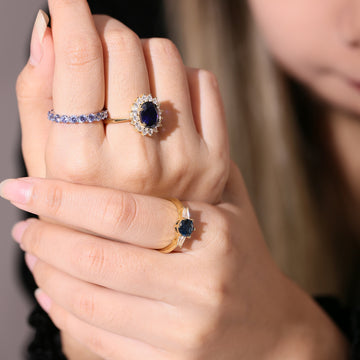
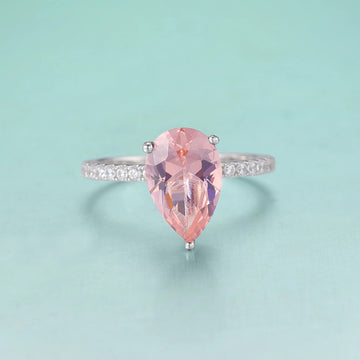
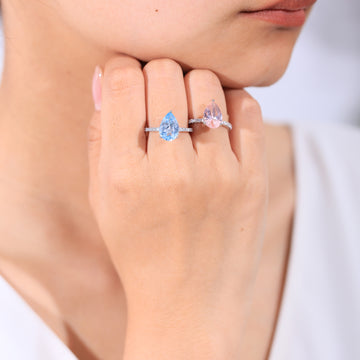
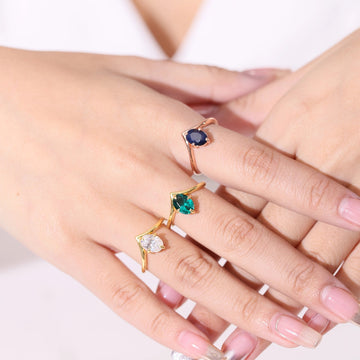
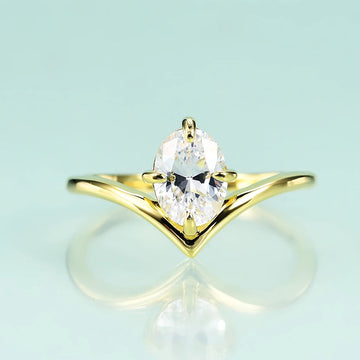
If you’ve started ring shopping, you’ve probably noticed people use “style” and “setting” like they’re the same thing. They’re related—but not identical. A ring’s style is the full visual recipe: the setting + metal + center stone shape/cut + band (shank) design + accent stones + setting height (how high the stone sits off the finger). Change any one of those and the ring reads differently on the hand, fits differently with wedding bands, and holds up differently to real life. This guide breaks down the major engagement ring styles, then gets nerdy (in a friendly way) about settings so you can walk into a jeweler appointment knowing what to ask for.
Engagement Ring Style vs Setting: What’s the Difference?
Think of the setting as the engineering that holds the center stone: prongs, bezel, channel, basket, cathedral, and so on. The style is the whole vibe created by the setting plus design choices like the shank shape, metal color, side stones, gallery details, and how high the stone sits.
Here’s the quick distinction:
-
Setting = structure (how the stone is secured and presented)
-
Style = structure + design (what it looks like, feels like, and pairs with your life)
If you want a deeper walkthrough with visuals and examples, this engagement ring styles and settings explained guide is a helpful supplement.
A simple way to map the decision
You’re usually choosing in this order:
-
Center stone shape/cut (round brilliant, oval, emerald cut, etc.)
-
Setting type (prong setting, bezel setting, cathedral setting…)
-
Style details (pavé vs plain shank, split shank, hidden halo, milgrain/filigree, side stones, setting height)
Most Popular Engagement Ring Styles (and who they’re for)
Solitaire
A solitaire is a single center stone with minimal distractions—which is exactly why it’s so revealing. In a solitaire, your choices (shape, prongs, height, metal) do all the talking.
Common solitaire variations
-
Classic solitaire setting: a straightforward prong setting on a plain shank.
-
Basket solitaire setting: the stone sits in a “basket” gallery (the metal cradle under the diamond). Often feels more secure and can be lower-profile.
-
Dainty solitaire: thinner shank, lighter look on the finger (but ask about durability if you’re hard on jewelry).
-
Modern solitaire: chunkier shank, knife-edge shank, or architectural gallery lines.
Prong type: 4-prong vs 6-prong
-
4-prong: shows more of the diamond; can look a touch more open/modern.
-
6-prong: extra security and a round brilliant can look slightly more “rounded” from above (also popular if you want more peace of mind).
Pro tip: Ask to see prong tips in person—claw setting (pointier prongs) looks refined but can snag more than rounded prong tips if they’re not finished well.
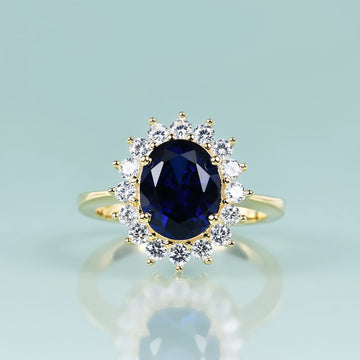
Halo
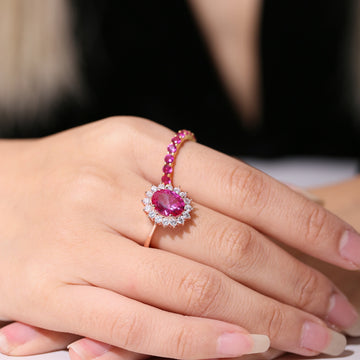
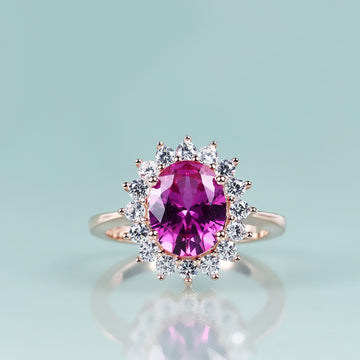
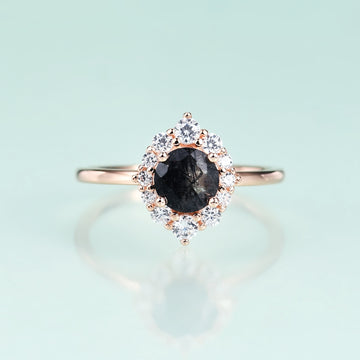
A halo setting adds a ring of small diamonds (accent stones) around the center. It changes the outline and can add sparkle and perceived size, especially with fancy shaped diamonds.
Types you’ll see a lot
-
Classic halo: one circle (or shape) of accent stones around the center.
-
Cushion halo: halo outline mimics a cushion shape even if the center is round or oval.
-
Double halo: two rows of accent stones—bigger look, more maintenance requirements.
-
Hidden halo: accent stones sit under the center stone in the gallery (you see sparkle from angles, not a full frame from the top).
Who halo works for: people who want extra light return, a bolder look, or a way to add visual presence without jumping carat weight.
Three-stone / Trilogy + Side stone
Three-stone (trilogy) rings feature a center stone with two side stones. The classic symbolism is past / present / future—but even if you don’t care about meaning, it’s a smart way to add finger coverage.
Side stone choices that change the whole style
-
Tapered baguette side stones: crisp, architectural lines; great with emerald cut or round center stones.
-
Trillion or pear sides: more “pointy” energy, often more dramatic.
-
Matching rounds: cohesive sparkle and symmetry.
Who it’s for: someone who wants a substantial look and likes design balance.
Pavé
Pavé means the band (shank) is set with many small diamonds, typically held by tiny beads of metal. It’s sparkle-forward and can make the center stone pop by contrast.
Pavé variations
-
Micro-pavé: very small stones, fine detail; looks delicate and bright.
-
Pavé band: medium stones along the shank; more visible texture.
-
Diamond band: broader term people use when the shank is covered in diamonds (pavé, channel, or other methods).
Maintenance note (important): pavé has more tiny stones, so it usually means more frequent inspections. If you’re active or hands-on, ask about stone security, and plan periodic checks.
Bezel
A bezel setting uses a rim of metal to wrap the diamond’s edge.
-
Full bezel: metal surrounds the entire stone; highest protection.
-
Partial bezel: metal covers only parts (often left-right); more light and a sleeker look.
Who it’s for: active lifestyles, glove-wearers, or anyone who wants durability and fewer snag points. A bezel is also a clean way to modernize fancy shaped diamonds like oval, pear, or marquise.
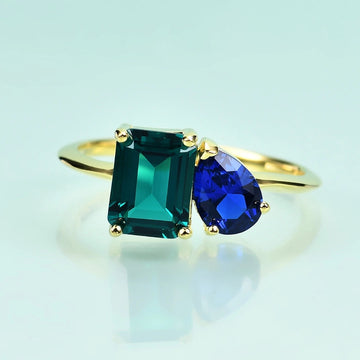
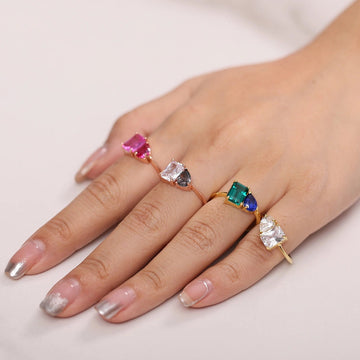
Toi et Moi
French for “you and me,” a toi et moi ring features two stones side-by-side. It’s usually symbolic (two people, two stories), and it’s inherently custom-feeling.
Who it’s for: someone who wants a conversation-starter, or wants to combine stones (diamond + sapphire, or two different cuts).
Vintage-inspired
“Vintage” can mean a lot, but the details are recognizable: texture, engraving, and old-world geometry.
-
Art Deco: strong symmetry, angular shapes, lots of step-cut influence (emerald/asscher vibes).
-
Milgrain: tiny beaded metal edges—adds texture and makes details read sharper.
-
Filigree: lace-like metalwork, often in the gallery and shoulders.
-
Rose cut: a flatter stone with a domed, faceted top and little-to-no pavilion—more glow than “sparkle fireworks.”
Who it’s for: people who love detail, craftsmanship, and design history.
Modern / Non-traditional / Nature-inspired
This is where you’ll see current design language—unexpected orientation, negative space, and hidden details.
-
East-west setting: the stone is set horizontally (popular with emerald cut, oval, marquise).
-
Split shank: the band splits as it approaches the center, adding width and presence.
-
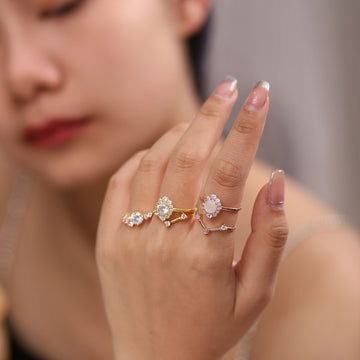
Cluster setting: multiple stones grouped as one visual center; great for texture and individuality.
-
Mixed metals: yellow gold + platinum/white gold elements for contrast.
-
Hidden diamonds: small accent stones tucked in the gallery or inside the band.
-
Twisted band: interwoven shank; adds movement and can soften bold shapes.
Who it’s for: someone who wants “not the default,” but still wearable daily.
Engagement Ring Settings (Technical Guide)
Settings aren’t just aesthetics—they affect security, comfort, ring stacking, and how often you’ll need maintenance.
Prong setting (aka “claw setting”)
Prongs are the most common. They hold the stone with metal “arms” that grip the crown.
-
4-prong vs 6-prong: 6 generally increases security; 4 can feel more open.
-
Claw setting: prongs taper to points; crisp look, but make sure the tips are smooth to reduce snagging.
-
Ask about: prong thickness, finishing, and whether the jeweler offers routine tightening/inspection.
Cathedral setting
A cathedral setting uses arched shoulders that rise toward the center stone. It often makes the ring feel more substantial from the side.
-
Height/profile: cathedral can lift the center higher, which can look impressive but may catch more on clothing.
-
Wedding band fit: some cathedral styles leave enough clearance for a flush fit; others need a contoured band.
Channel setting
A channel setting secures small diamonds between two walls of metal (no prongs on each stone).
-
Why people love it: smooth edges, less snagging, strong daily-wear option.
-
Great for: side stones on the shank or wedding bands, especially for ring stacking.
Basket setting
A basket setting is the cradle beneath the center stone (the gallery area). You’ll see basket elements in many prong rings.
-
Why it matters: baskets can add security and sometimes allow a lower setting height.
-
Look for: clean symmetry and solid support bars (especially for larger stones).
Tension setting
A tension setting uses the pressure of the metal band to hold the stone in place, creating a “floating” look.
-
Reality check: it can be very secure when engineered correctly, but it’s less forgiving for resizing and requires precise craftsmanship.
-
Ask about: metal choice and whether the design is compatible with future adjustments.
Flush / flush mount setting
A flush mount setting sits the stone into the band so it’s near level with the shank.
-
Why it’s practical: low snag risk and highly lifestyle-friendly.
-
Tradeoff: less light entering from the side; the look is sleek, not “high-sparkle from every angle.”
Quick comparison table: settings in real life
|
Setting type |
Security |
Snag risk |
Profile (height) |
Maintenance requirements |
Best for
|
|
Prong setting (4/6) |
High (6 > 4) |
Medium |
Medium–High |
Periodic prong checks |
Maximum light + classic look |
|
Bezel setting |
Very high |
Low |
Low–Medium |
Low–Medium |
Active lifestyles, durability |
|
Cathedral setting |
High |
Medium–High |
Medium–High |
Medium |
Bold side profile, presence |
|
Channel setting |
High |
Low |
Low |
Low–Medium |
Smooth bands, stacking |
|
Basket setting |
High |
Medium |
Low–Medium |
Medium |
Balanced security + lower height |
|
Tension setting |
High (when engineered) |
Low–Medium |
Medium |
Medium–High |
Modern look, precision designs |
|
Flush mount setting |
High |
Very low |
Very low |
Low |
Minimal snag, daily wear |
Diamond Shapes & Cuts That Change the Look
Two rings can share the same setting, but shape and faceting will make them read totally differently. A quick decoder:
-
Round cut / round brilliant: the classic sparkle machine; forgiving and bright.
-
Emerald cut: step-cut faceting (long, mirror-like flashes); shows clarity more.
-
Cushion: soft corners, a pillowy outline; can be chunky flashes or crushed-ice sparkle depending on faceting.
-
Princess: sharp corners, lots of brilliance; corners need protection (prongs or bezel).
-
Asscher: like emerald cut but square; geometric, hall-of-mirrors effect.
-
Oval: elongates the finger; watch for “bow-tie” darkness (some is normal).
-
Pear: elegant teardrop; looks larger per carat; tip needs protection.
-
Radiant: brilliant faceting on a rectangular/square outline; bright and bold.
-
Marquise: dramatic length; great finger coverage; often used in east-west settings too.
-
Rose cut: flatter, vintage glow; pairs well with milgrain/filigree.
-
Trillion cut: triangular; edgy and bright, often used as side stones.
Fancy shaped diamonds (everything that isn’t round) vary more in outline, length/width ratio, and facet patterns—so seeing a few in person matters. Ask to compare diamond faceting styles if you’re choosing between, say, cushion “crushed ice” vs chunkier facet patterns.
Metal Matters: Platinum vs Yellow Gold vs White Gold
Metal choice isn’t just color—it affects feel, upkeep, and long-term wear.
-
Platinum: naturally white, dense, and durable. It tends to develop a patina (a soft, matte finish) over time rather than losing material quickly. Great for prong security and daily wear.
-
Yellow gold: warm tone, classic contrast with white diamonds and looks especially rich with vintage details. Gold can scratch (like all metals), but it’s easy to polish and service.
-
White gold: typically rhodium-plated for a bright white finish. Maintenance requirement: most white gold rings need re-plating periodically to keep that “new white” look.
Rose gold (briefly): warm pink tone, flattering on many skin tones and can feel less “flashy” than bright white metals. It can also highlight vintage-inspired milgrain and filigree nicely.
Diamond vs Gemstone vs Lab-Grown: What Buyers Compare
Most shoppers compare three big paths:
Mined diamonds
-
Formed naturally, extracted from the earth.
-
Buyers often weigh ethical sourcing and supply chain transparency.
Lab-grown diamonds
-
Chemically and optically the same material as mined diamonds, grown in a controlled environment.
-
Many shoppers choose lab-grown diamonds for value and sourcing preferences (and to size up in carat without blowing the budget).
Gemstones and alternative stones
-
Sapphire engagement rings are the most common alternative (hard, durable, available in many colors).
-
Other alternative gemstones can be stunning, but some are softer and need more careful wear.
-
Colored diamond engagement rings (fancy color diamonds, mined or lab-grown) are another route if you want color with diamond hardness.
The 4Cs (non-technical, actually useful)
-
Diamond cut: how well it’s proportioned and finished—this controls sparkle and light performance.
-
Diamond clarity: how many internal/external features (inclusions) it has; some are invisible without magnification.
-
Diamond carat weight: weight, not size—different shapes face up larger or smaller at the same carat.
-
Diamond colour: how much tint you see (usually in the white-to-yellow range for “colorless” diamonds).
Trust signal worth caring about: work with a jeweler who can explain these tradeoffs clearly—and who offers access to professional evaluations. Billig Jewelers, for example, notes certified gemologist appraisers through its client services, and that kind of expertise is valuable when you’re comparing stones and settings.
Practical Buying Guide: match the ring to real life
The best engagement ring style is the one you’ll still enjoy wearing on a random Tuesday—while carrying groceries, typing, traveling, or lifting weights.
1) Lifestyle compatibility
-
Hands-on job? Consider bezel setting or flush mount setting.
-
Frequent gloves/hair/clothing snags? Avoid very high profiles and ultra-fine claw tips.
2) Setting height
-
High setting height can maximize presence, but it also increases bump-and-snag risk.
-
Ask to try low-profile and cathedral versions of the same ring to feel the difference.
3) Ring stacking + wedding bands
-
If you want a straight band to sit flush, confirm clearance under the center stone.
-
Some cathedral or basket designs need a contoured band to nest cleanly.
4) Ring size (do it right)
-
Fingers change with temperature and time of day.
-
Get sized at least twice (and consider how wide the shank is—wider bands can feel tighter).
5) Customization/personalization
Easy personal touches that don’t overcomplicate the design:
-
Hidden halo or hidden diamonds in the gallery
-
Engraving inside the band
-
Switching side stones (tapered baguette side stones vs trillions)
-
Choosing milgrain/filigree accents for texture
6) Craftsmanship
Look closely at:
-
Prong symmetry and finish
-
Pavé beadwork consistency
-
Stone alignment in channel setting rows
-
Smooth edges on the shank and under-gallery (comfort matters)
7) Maintenance (plan for it)
Even a well-made ring needs checkups. Schedule periodic inspections—especially for prong setting and pavé styles—so small issues don’t become stone-loss stories.
Engagement Ring Trends (2025/2026-style)
Trends are less about “new” and more about what people are choosing more often right now:
-
Hidden halo for sparkle that feels subtle from the top view
-
East-west setting for emerald cut, oval, and marquise (modern and wearable)
-
Split shank to add presence without going full halo
-
Cluster setting for texture, floral/nature-inspired looks, and unique silhouettes
-
Mixed metal designs (contrast and versatility with other jewelry)
-
Bespoke engagement rings with small personal details (gallery accents, meaningful side stones, customized setting height)
FAQ
1) What style is most popular?
Solitaire remains the most common baseline because it’s adaptable: you can go classic (plain shank, 6-prong), modern (knife-edge, east-west), or add detail (hidden halo, milgrain) without changing the core idea.
2) What is an engagement ring setting?
An engagement ring setting is the method and structure that holds the center stone in place—like a prong setting, bezel setting, channel setting, or basket setting—and it heavily influences durability, profile, and how the ring stacks with wedding bands.
3) Which setting is best for an active lifestyle?
A bezel setting or flush mount setting is usually the safest bet because it reduces snagging and protects the stone’s edges. If you prefer prongs, consider a lower-profile basket and commit to periodic inspections.
4) How do I choose between lab-grown and mined diamonds?
Compare them on:
-
Budget and size goals (lab-grown often lets you increase carat weight)
-
Ethical sourcing preferences and supply chain transparency
-
Resale/long-term priorities (ask your jeweler how they see it)
Then choose the option that aligns with your values and the specs you’ll be happiest wearing.
5) What diamond shape looks biggest?
Shapes that “face up” large for their weight include oval, pear, marquise, and radiant—they typically give more finger coverage per carat than round. Settings like halo setting can also boost perceived size without increasing carat.
A calm next step (that actually helps)
Shortlist 2–3 styles you can describe in one sentence each (example: “oval hidden halo on a pavé split shank,” or “emerald cut in a low basket with tapered baguette side stones”). Then try them on in person and pay attention to setting height, comfort, and ring stacking with wedding bands.

If you want to move quickly once you’ve narrowed it down, browsing a Ready to Ship Engagement selection can help you compare silhouettes side-by-side, and a consultation is where the real clarity happens—especially with a jeweler who offers professional inspections and gemologist-level guidance. If you’re near Marlton, NJ, Billig Jewelers is a local option to explore styles in person without turning it into a hard-sell experience.