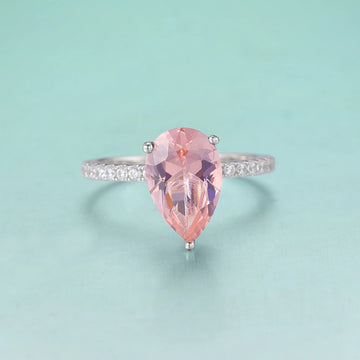
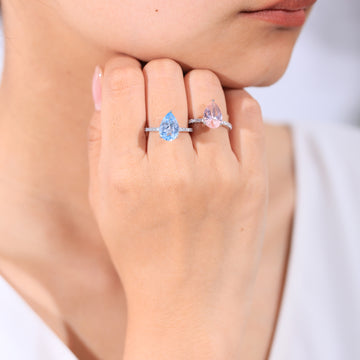
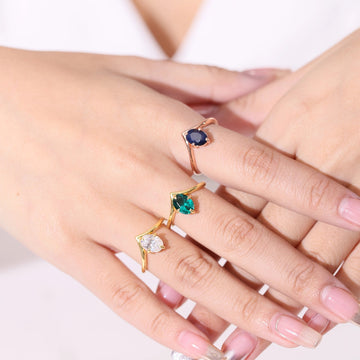
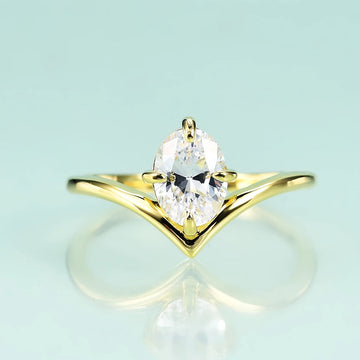
How to Insure an Engagement Ring: What Your Insurer Will Ask For and What the Appraisal Must Say
Nov 13, 2026
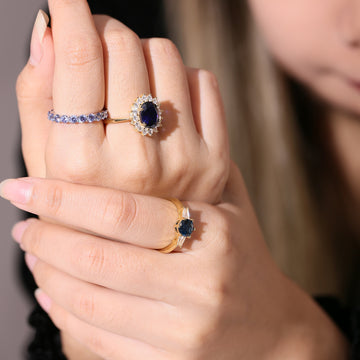
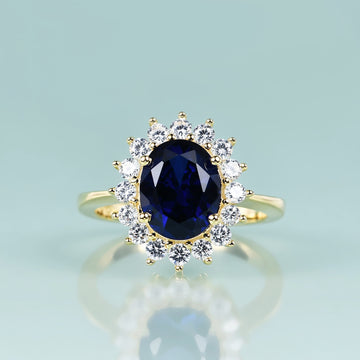
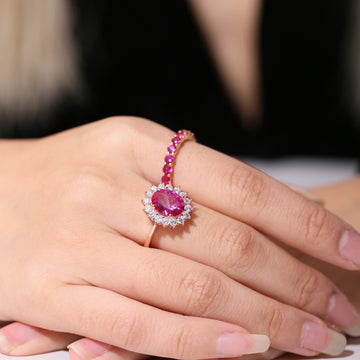
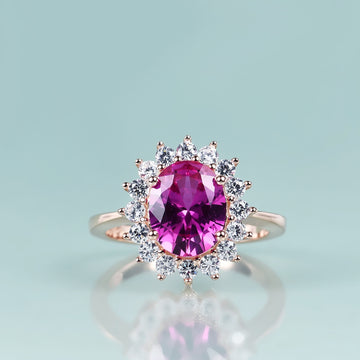
Dana said yes on a Saturday. By Monday she was staring at a new sapphire ring with a small diamond halo, a receipt in a drawer, and a question nobody mentions during the proposal: what happens if it slips off in a gym locker or a hotel sink?
Insuring an engagement ring is simple once you know what the insurer wants on paper. Most of the trouble comes from the paperwork, not the policy.
Do You Need an Appraisal to Insure an Engagement Ring?
Usually, yes, or something close to it. According to BriteCo, most jewelry insurers require a formal appraisal for items above a threshold the carrier sets, though some will accept a detailed receipt instead. That rule applies to every kind of piece, including fine jewelry, lab-grown diamonds, and anything set with gemstones.
The threshold is the part that varies. One carrier may accept a receipt for a ring under a certain value, while another wants an appraisal on everything. The only reliable move is to ask the insurer in writing before buying a policy.
A receipt can be enough for a modest ring, but only if it is specific. "Sapphire ring, 14K" is not specific. A receipt that lists the metal, stone type, approximate carat weights, and any laboratory report numbers gives a claims adjuster something to work with. For custom, vintage-style, or higher-value pieces, professional jewelry appraisals give the insurer a documented description and a replacement figure it can rely on after a loss.
Replacement Value Is the Number Insurance Wants
Dana's first surprise was the figure on the appraisal. An insurance appraisal estimates retail replacement value: what it would cost to buy the same ring, or a comparable one, at retail in the current market. It is not what a dealer, pawnbroker, or private buyer would pay for it today.
Say the report lists Dana's ring at a replacement value of $2,400. If she sold it next month, a dealer would offer a fraction of that, because the dealer has to resell at a profit and carries the risk of holding stock. Neither number is wrong. They answer different questions.
This gap explains the most common complaint about appraisals: "Why is my ring worth less than the paper says?" The paper never said it could be sold for that amount. It said what a replacement would cost, and that is the right measure for insurance. Appraisals written for estates, donations, and other tax matters use a different standard called fair market value, so a report prepared for one purpose should not be recycled for another.
What the Appraisal Should Actually Say
A dollar figure alone does not make a useful appraisal. The report should describe the ring well enough that someone who has never seen it could identify it, and understand how the value was reached. Dana's report, and yours, should include:
- The metal type, purity, weight, and any hallmarks
- Each gemstone's identity, dimensions, weight, color, clarity, cut, and known treatments
- The grading laboratory and report number for any diamond that has one
- Photographs and measurements of the finished piece
- The intended use, the type of value, and the effective date
- The appraiser's credentials, signature, and any stated limitations
One detail matters for rings that are handmade, discontinued, or vintage in style: the report should say whether the replacement figure is for an exact copy or a comparable piece. If the exact ring can no longer be bought, the policy and the appraisal need to agree on what "replace" means.
Inspired Designs, Moissanite, and Lab-Created Stones
Many buyers choose a ring because it echoes a famous design, such as an oval sapphire surrounded by diamonds. A design that is inspired by a royal ring is a different object from the original, and the appraisal should describe the actual stones and metal in the actual ring. The fame of the style adds nothing to the value on paper.
Material identification is where affordable rings need the most care. A moissanite, a lab-created sapphire, and a natural sapphire can look alike to the eye but sit in very different value categories. A good appraisal states which one it is and discloses known treatments, because a vague or wrong identification can create problems at claim time. Lab-grown stones still count toward insurer requirements, so "it wasn't expensive" is not a reason to skip documentation.
Who Should Write It, and What It Costs
There is no single government license that qualifies someone to appraise jewelry. Jewelers of America notes that U.S. law sets no universal educational standard and no one mandatory certification for jewelry appraisers. That puts the burden on the owner to check credentials.
Look for gemological training, formal appraisal education, membership in a recognized appraisal organization, and familiarity with the standards that govern appraisal practice. Be careful with the phrase "GIA-certified appraisal." GIA grades and identifies gemstones, but it does not assign a monetary appraisal value, so a grading report is not an appraisal.
Independence matters too. A jeweler who earns money by selling or replacing the ring has a built-in conflict of interest. Consumer guidance commonly puts a basic appraisal somewhere around $75 to $200 per item, with antique, signed, or complex pieces costing more. Compare the scope of the report rather than just the fee, and never ask an appraiser to round the number up. Jewelers of America describes intentional overvaluation as illegal under FTC guidance and unethical under recognized standards, and an inflated figure can undermine a legitimate claim.
When the Appraisal Needs Updating
There is no universal expiration date. What matters is whether the ring or the market has changed enough to make the old figure unreliable. Common triggers include:
- Resizing or repair
- A stone replaced or reset
- A big move in metal or gemstone prices
- A policy renewal that asks for current documentation
Before a first appraisal, gather the receipt, any grading or lab reports, and photographs. For an antique or heirloom ring, hold off on cleaning or repairs until the piece has been documented, since wear and alterations are part of what an appraiser records.
Dana ended up with a one-page folder: the appraisal, a photo of the ring from three angles, the receipt, and the insurer's written confirmation of what it needed. If the ring ever goes missing, that folder turns a stressful claim into a routine one.